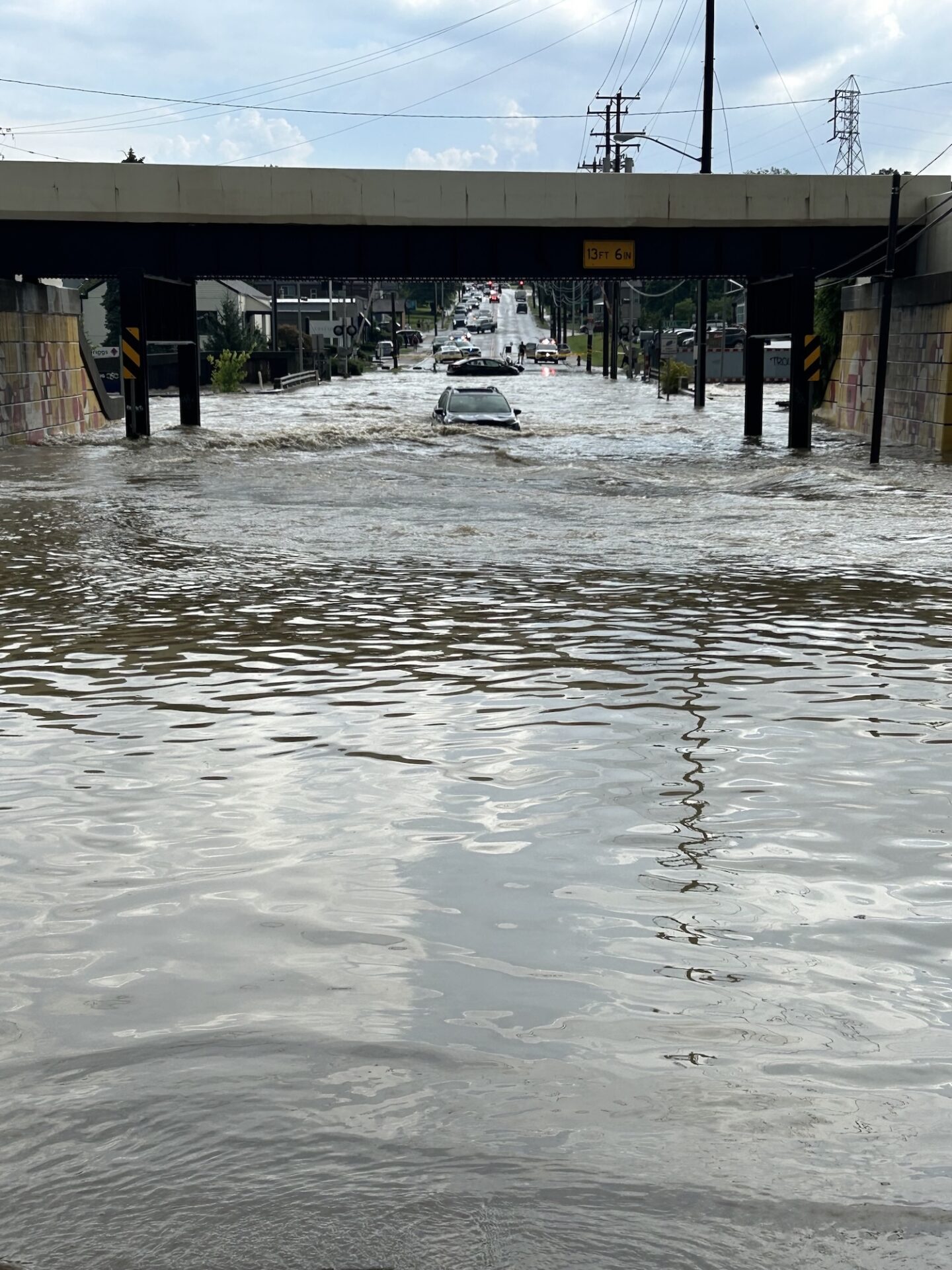
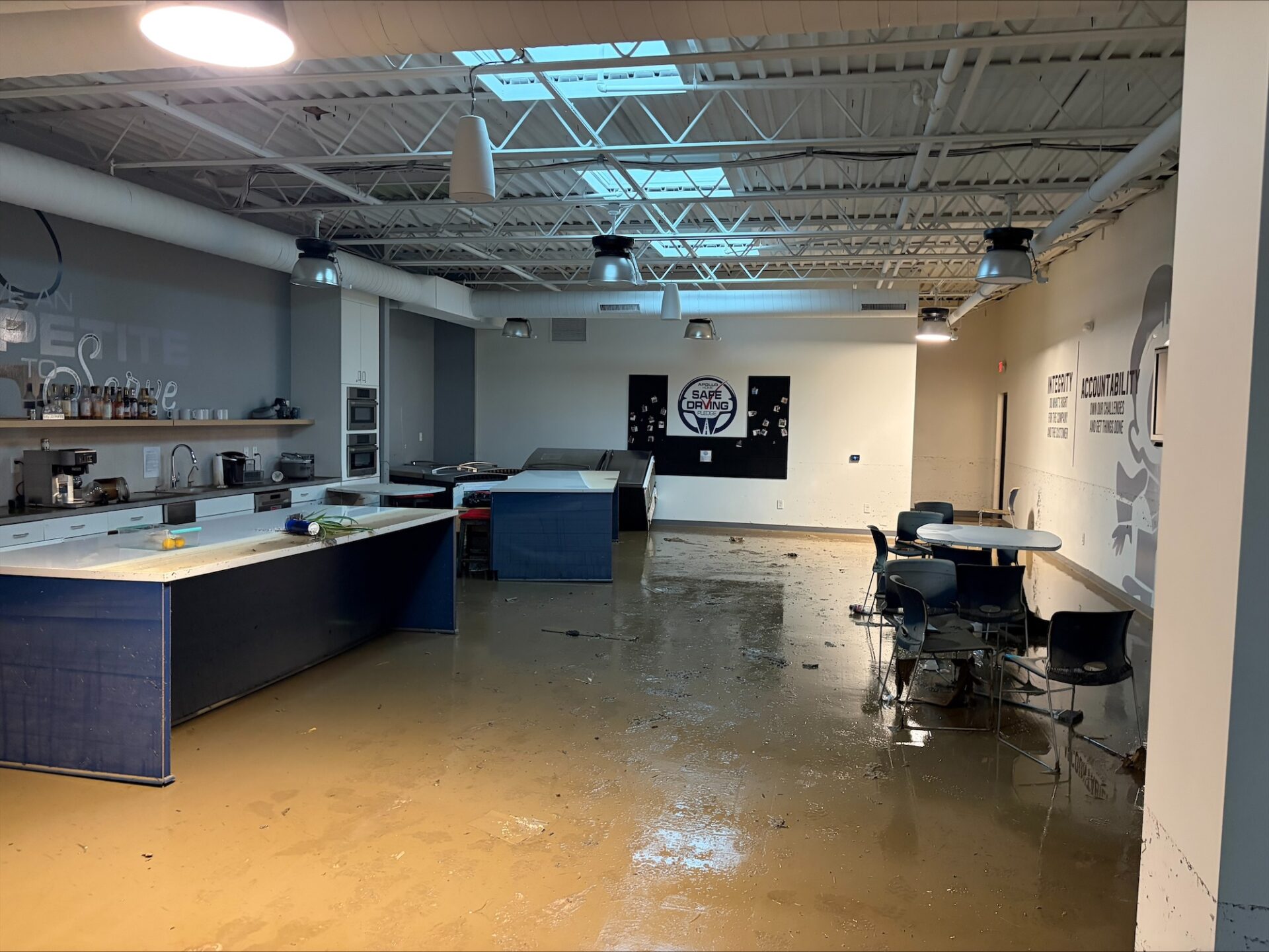
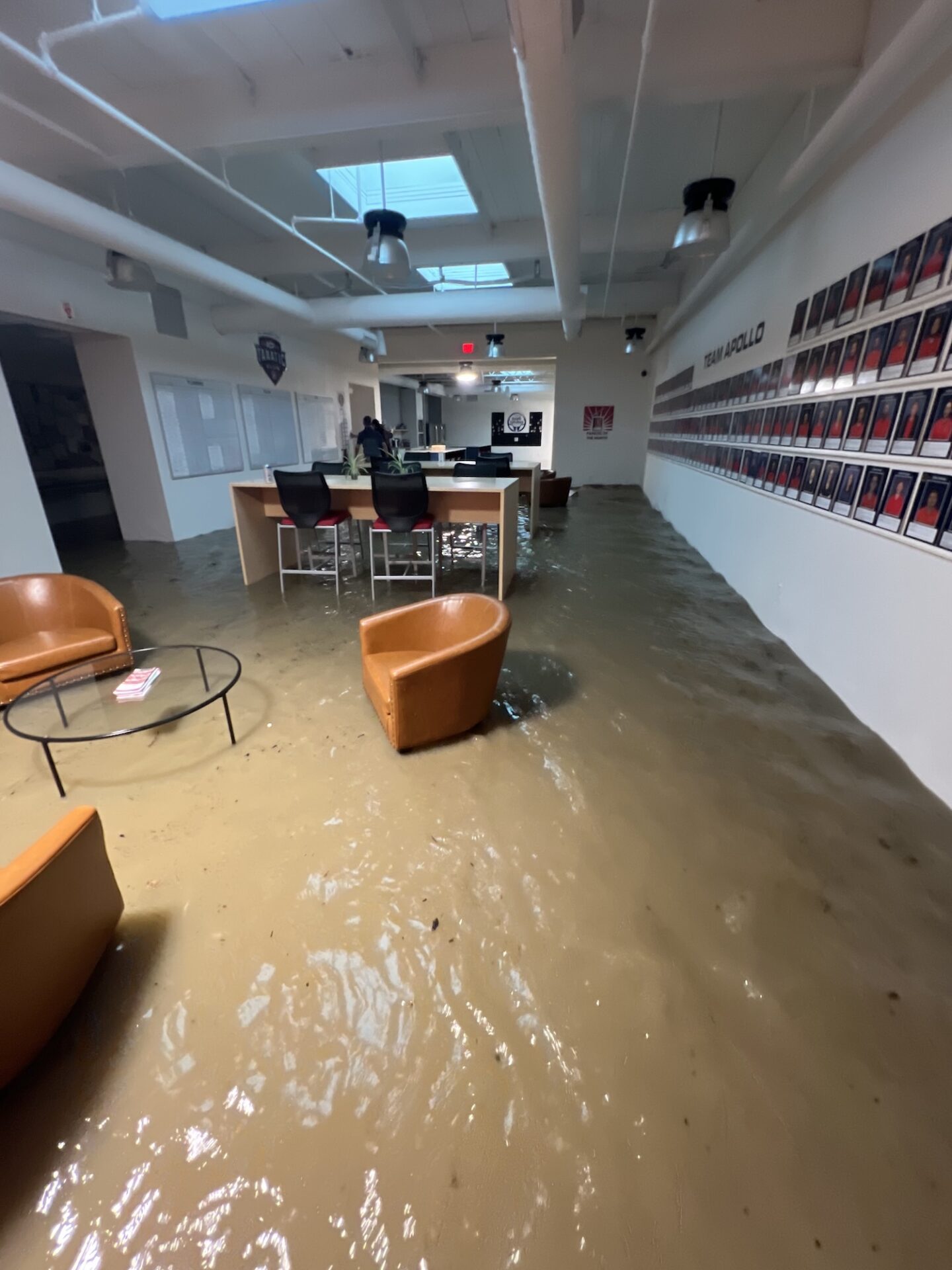
Six inches of rain fell on parts of Cincinnati in under forty-five minutes this month, and by the time it stopped, water was pouring into the Apollo Home building faster than anyone could track. I ran that company for decades. I know that building; I had searched for the location for 5 years prior to moving Apollo Home there. I know what it takes to put five feet of water into a space that size, and I know what that does to decades of records, desks, and equipment people built their careers around.
I don’t run it anymore. That matters to this story.
I wasn’t on payroll. Nobody called me. I was in the parking lot that Saturday anyway, and so were dozens of Apollo employees, on their day off, with nobody asking them to come. They lost 10 or more vehicles from the fleet and some 15 personal cars belonging to employees who could not move them in time. A retaining wall kept it from being worse. It was still bad enough that the city’s inspection letter called the damage major due to a malfunctioning flood gate.
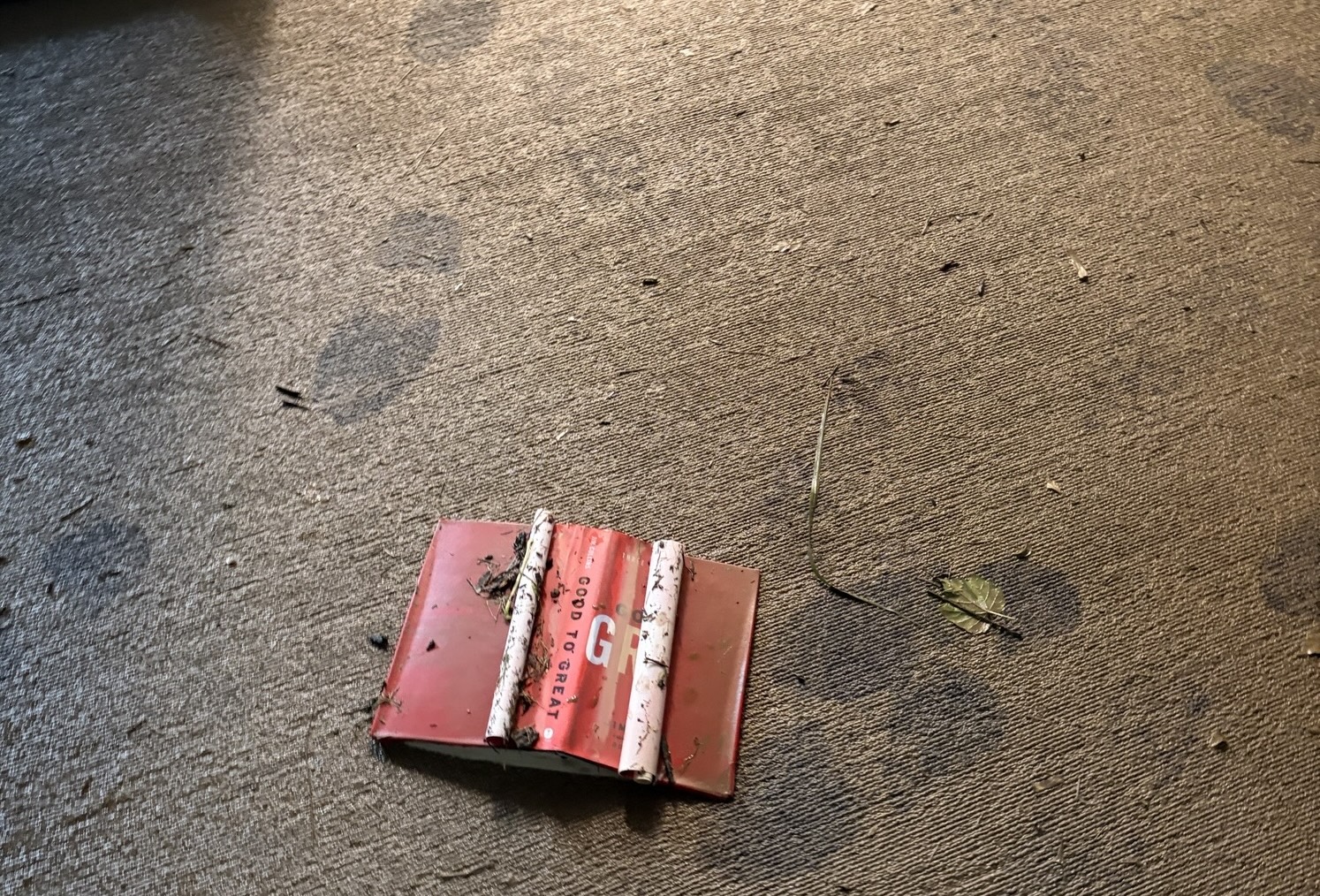
Somewhere in the wreckage, I found a soaked copy of Jim Collins’ Good to Great face down on the floor. A book about what makes companies endure, sitting in the debris of one that had just taken a serious hit. It survived. Felt about right.
What The Water Couldn’t Take
Culture is not what you put in a handbook. It’s not the snacks, the dress code, or the team outing that photographs well for LinkedIn. It’s simpler and harder than that. Do people show up before you ask them to? Do they help each other before they help themselves? Do they trust that leadership will handle what comes next fairly, or are they quietly wondering if this is the day it all falls apart?
Our people didn’t wonder. They didn’t wait to find out how they’d get paid for the hours or whether anyone would notice. They started pulling out what the water had ruined and kept going ten to twelve hours straight. By the time they left that night, the damage was still there, but the people who spent the day in it had already decided what came next.
The Real Test Isn’t The Crisis. It’s Who’s In Charge When It Hits.
Here’s what I keep coming back to. Not one of those people works for me.
Different owner. Different leadership team. Same building, same trucks, same name on the door, but the guy who used to sign their checks was standing in that lot as a civilian. They came anyway. That’s the only honest measure of whether leadership was any good. Not what happens while you’re in the chair, but what holds after you leave it. If a culture needs you in the room, it’s dependence, and dependence dies the day you walk out the door.
The people running Apollo today deserve real credit for that Saturday. An inherited culture can be spent down just as easily as it can be built on. They kept it intact and added their own work to it. That’s the handoff working the way it’s supposed to.
I’ve spent a long time thinking about what makes a business durable, and I land in the same place every time. It’s not the building. Not the equipment, the balance sheet, or the insurance policy. It’s whether people decide, with nobody watching and nothing guaranteed, that the work is still worth showing up for.
That’s the entire argument for building companies meant to be held instead of flipped. You’re building something that will still work for the next owner, and the one after that.
Apollo lost vehicles, records, and office space that won’t be usable again until close to the end of the year. It didn’t lose the part that actually matters, and that part walked into a flooded building on a Saturday and started rebuilding before anyone told it to.
Most companies never find out what they’re made of. Apollo did, and the answer came fast.
If the water came up in your building tomorrow, what would show up in the parking lot? And would it still show up if you weren’t the one who owned it?